Pinpoint Water Loss Management / Customer case
The Leak That Never Slept: A Burst Pipe Hidden Under Paving
A water meter ran at 4 litres a minute with every tap closed. Pressure, acoustic and tracer-gas detection found a burst mains pipe under paving, fixed the same afternoon.
4 L/min
Constant flow with every tap closed
~5,800 L
Water lost every single day
< 3 hrs
On site, from first test to silent meter
1
Small, targeted opening in the paving
- The problem
- The meter ran at about 4 litres a minute, day and night, with nothing switched on. No puddles, no damp walls, no obvious culprit.
- The solution
- Pressure testing, acoustic detection and tracer gas pinpointed one patch of paving. Only a small, targeted opening was made.
- The outcome
- The burst section of pipe was replaced the same afternoon and the meter stopped. No more consumption loss after the repair.
Case at a glance
- Problem
- Meter ran at 4 litres a minute with every tap closed.
- Location
- Not shown, for customer privacy
- Detection method
- Pressure testing, acoustic detection and tracer gas
- Time to find
- Under 3 hours on site, from first test to silent meter
- Outcome
- Burst mains pipe under paving repaired the same afternoon through one small opening.
- Water / rand saved
- About 5,800 litres a day stopped.
The problem: a meter that wouldn’t stop
Every building has a quiet moment: taps closed, toilets full, nobody showering. In that moment the water meter should stand still.
At this property, it didn’t. The facilities team looking after the building noticed the meter ticking over at around 4 litres every minute, day and night, with nothing switched on. No puddles, no damp walls, no obvious culprit. Just a number that kept climbing.
Four litres a minute sounds small. It adds up to nearly 5,800 litres a day, enough to fill a bath about 35 times, straight into the ground.
The solution: detective work, not demolition
The old approach is to start breaking things open and hope. Ours is the opposite: prove exactly where the leak is first, then open up only that spot.
- 1
Ruling out the obvious
Every water point was checked, so the loss wasn’t just a running toilet or dripping tap.
- 2
Pressure testing
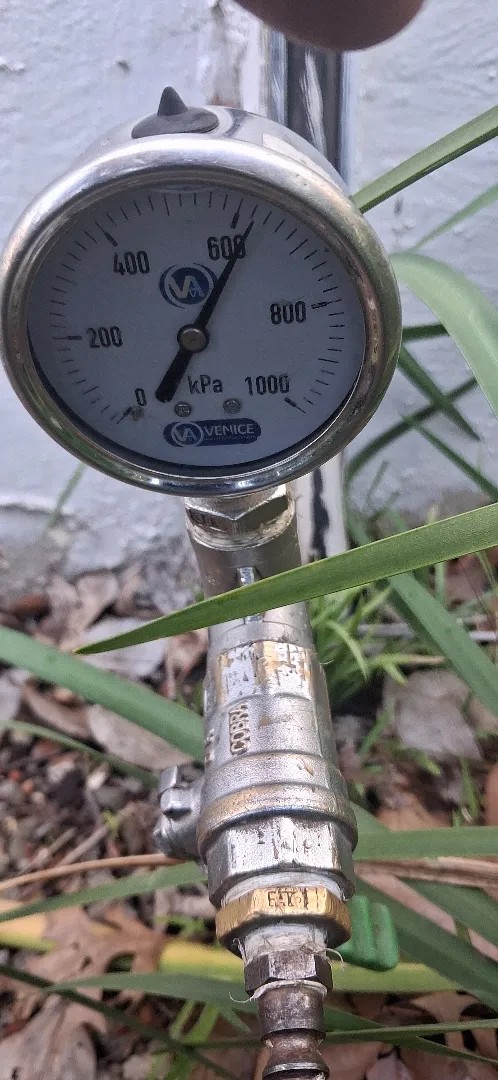
The supply was isolated and pressurised. It failed to hold, confirming a leak in the pressurised pipework.
- 3
Listening to the pipe
Acoustic equipment on a blanked-off point outside picked up the sound of escaping water.
- 4
Tracing the gas
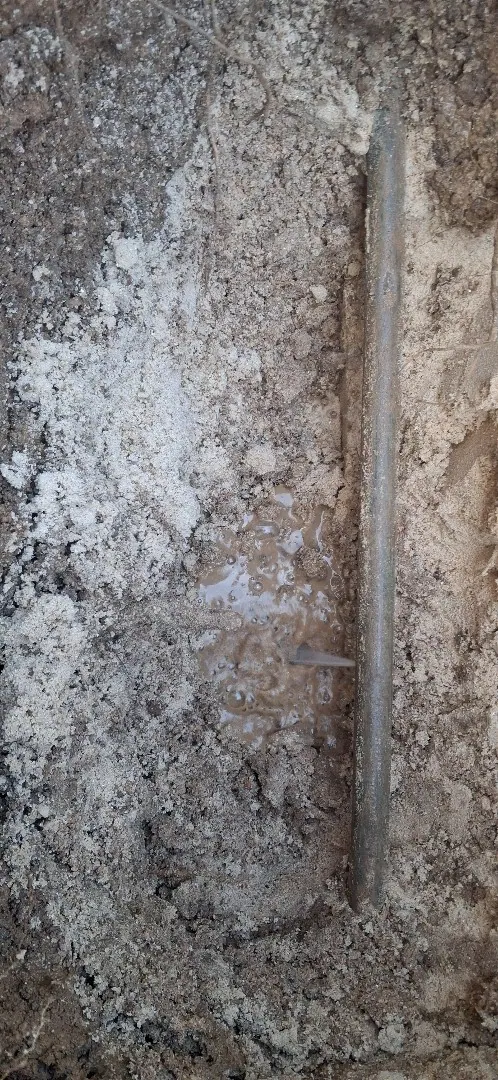
A safe tracer gas pushed through the line rose through the soil and paving, and the detector pinpointed one patch beside the house, just before the back gate.
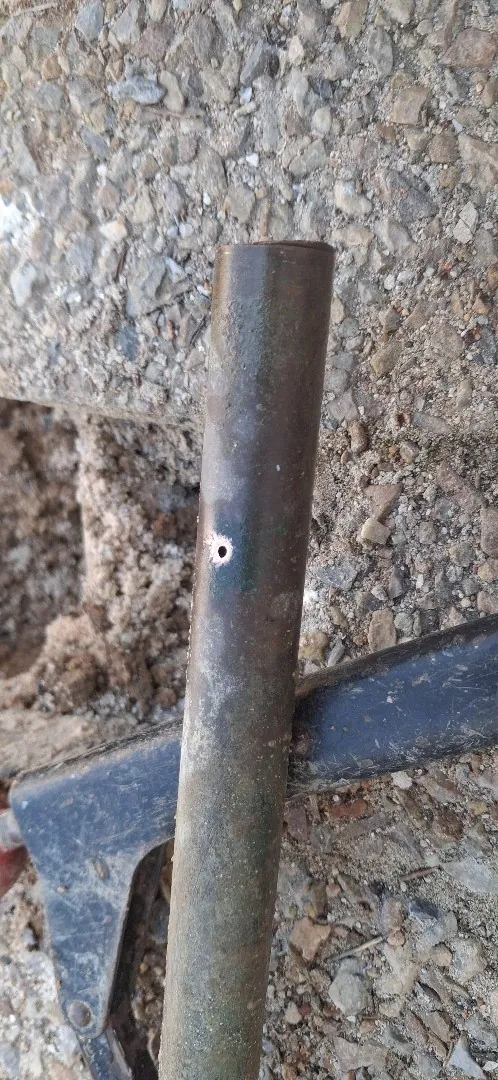
Only then did anyone lift a single paver. Beneath the marked paving, exactly where the gas said it would be, lay the main cold-water supply: a 22 mm copper pipe with a small burst in its wall. Under mains pressure it was pushing out thousands of litres a day, soaking quietly into the ground where no one would ever see it.
The outcome: fixed the same afternoon
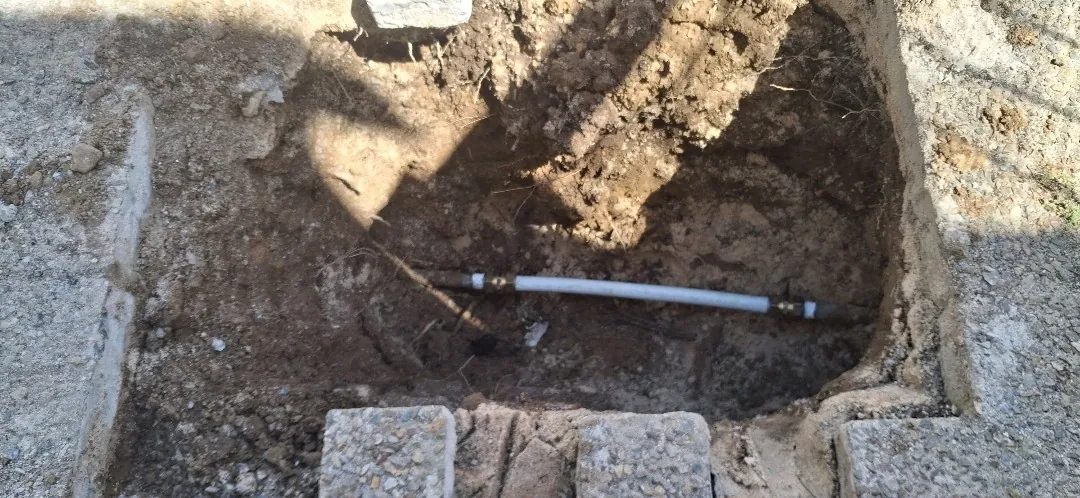
Because the leak had been pinpointed precisely, the opening stayed small. The damaged section of copper was cut out and replaced with new pipe. No trench across the yard, no lifting of the whole walkway, no guesswork.
Then came the moment that matters most: we checked the meter again. No more consumption loss after the repair. The building’s own contractor then reinstated the paving. From first test to a silent meter took under three hours.
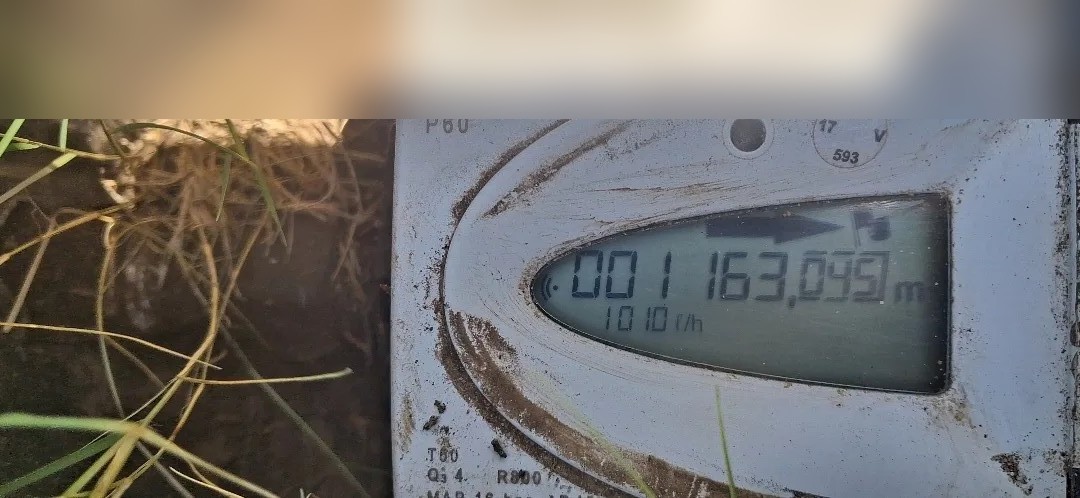
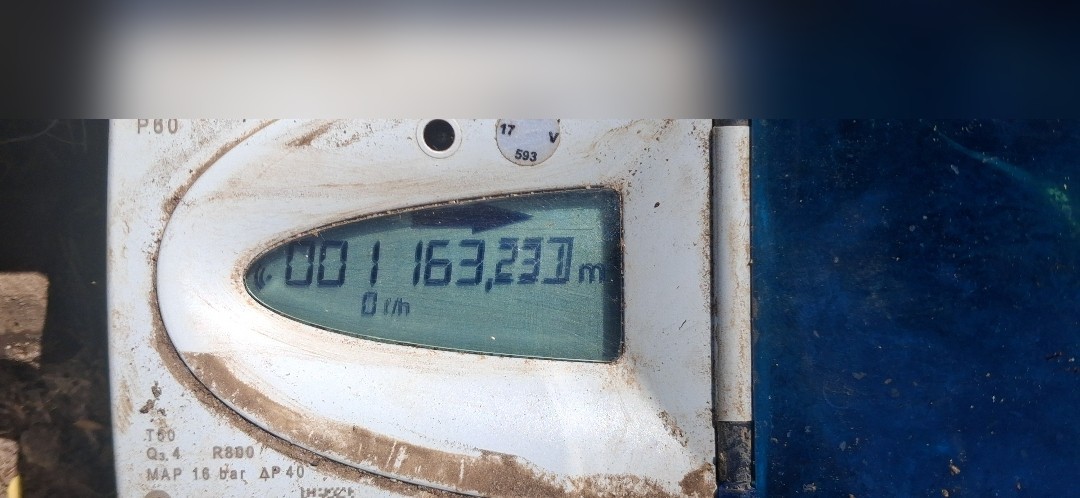
Meter: stopped. No more consumption loss after the repair.
Why one small pinhole is a big deal
For the budget
At nearly 5,800 litres a day, this leak would have wasted around 170,000 litres a month, and more than 2 million litres a year, all billed at municipal rates.
For the property
Water escaping under paving washes out the sub-base, which leads to sinking pavers, trip hazards and, over time, risk to nearby foundations.
For the Western Cape
In a region that knows exactly what drought feels like, every litre kept in the system counts.
Try this at home: the two-minute meter check
Close every tap, make sure nothing is filling or running, and watch your meter for a few minutes. If the dial or digits still move, you may have a hidden leak, even if everything looks perfectly dry.
Frequently asked questions
How do I know if I have an underground water leak?
Turn off all water use and check your meter. If it keeps moving, or your bill jumps without explanation, water is escaping somewhere. Underground leaks often show no surface signs at all.
Do you have to dig up my paving or garden?
No. We use non-invasive methods (pressure testing, acoustic detection and tracer gas) to find the exact spot first. Here, only one small section of paving was lifted.
Is tracer gas safe?
Yes. The gas mixture used in leak detection is non-toxic and non-flammable, and it disperses harmlessly once it escapes the pipe.
Can you repair the leak on the same day?
Often, yes. In this case, detection and repair were completed in a single visit of under three hours.
Worried about a leak you can’t see?
If your meter won’t stand still or your water bill doesn’t add up, we’ll find the cause without tearing your property apart.
Water leak detection Leak detection in Somerset West & Helderberg