
Customer case · Stellenbosch, Western Cape
From 300 L/hour to Zero Night Flow: A Hidden Leak at a Stellenbosch Complex
A multi-unit residential complex in Stellenbosch was losing water around the clock. H2OnGUARD smart water monitoring flagged the loss; Pinpoint traced it to a burst mains pipe under paving and verified the repair with zero minimum night flow.
300 L/h
Night-time flow at 01:00 on 13 November
8,900 L
Total metered use on 13 November
0 L/h
Minimum night flow after the repair
~90%
Reported reduction in daily water use
- The problem
- Water consumption never dropped to zero, even at night. A nine-unit residential complex had a hidden loss on common property.
- The solution
- H2OnGUARD monitoring identified the loss. Acoustic, pressure and tracer-gas testing located a burst mains pipe beneath paving; one targeted excavation exposed it for repair.
- The outcome
- The pipe was repaired and the excavation backfilled on the return visit. H2OnGUARD recorded zero minimum night flow on 18 November, confirming the result.
Case at a glance
- Date
- Problem
- Complex was using about 300 litres an hour through the night.
- Location
- Stellenbosch
- Property type
- Multi-unit residential complex
- Detection method
- H2OnGUARD smart water monitoring and targeted leak detection
- Outcome
- Burst mains pipe under paving repaired; minimum night flow back to zero.
- Water / rand saved
- About 90% reduction in daily water use.
The problem: a number that would not go to zero
The complex is home to nine units. Residents and visitors expect things to work, and nobody wants paving lifted at random. The site’s H2OnGUARD monitor showed a steady loss running through the night, the clearest sign of a leak.
Underground leaks on common property often show no sign on the surface until there is damage. Here, measured consumption data gave the trustees and managing agents a reason to investigate rather than guess.
The solution: narrowing it down with guests on site
During the survey, the technician tested the supply, inspected the water meter and mapped the layout of the water infrastructure. The meter kept registering usage and the leak was confirmed.
The morning after the survey, Pinpoint sent the findings and a quote for exposing and repairing the pipe.
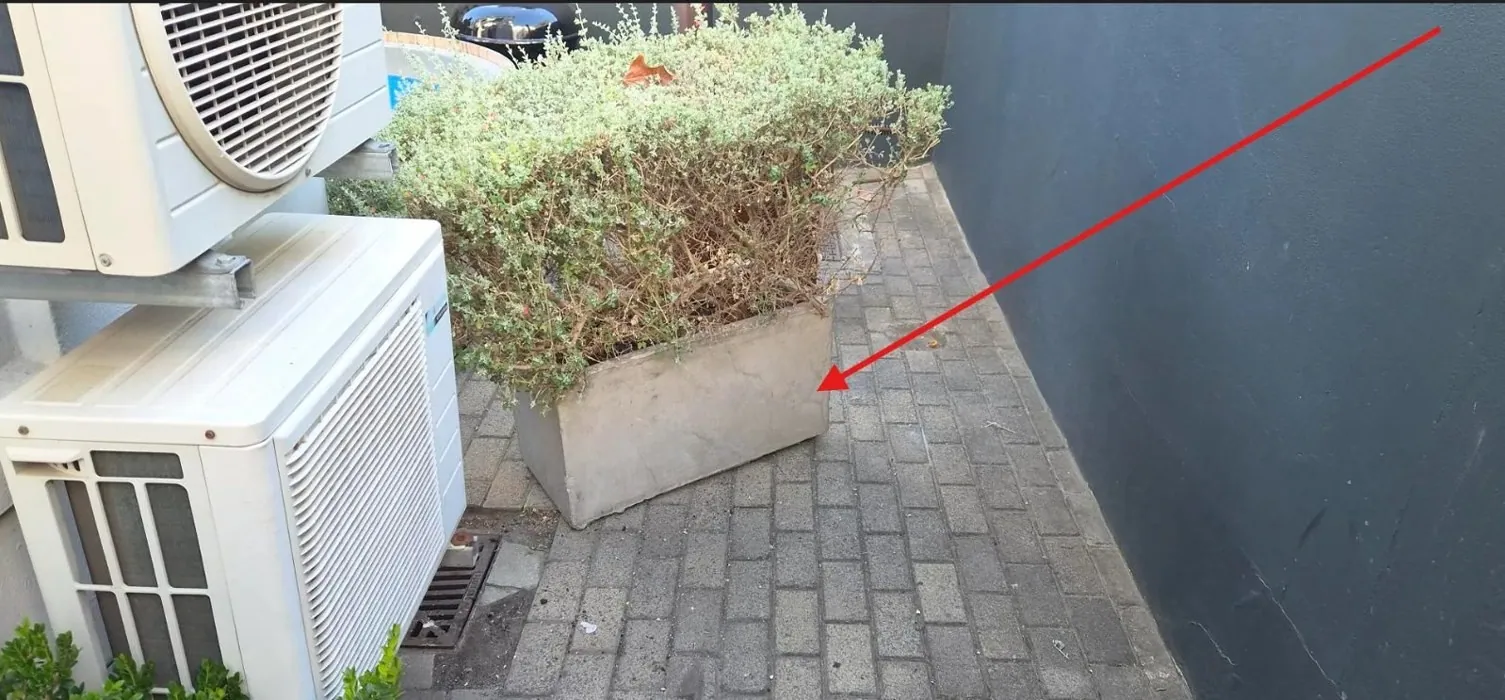
Confirm, expose and repair at the marked point
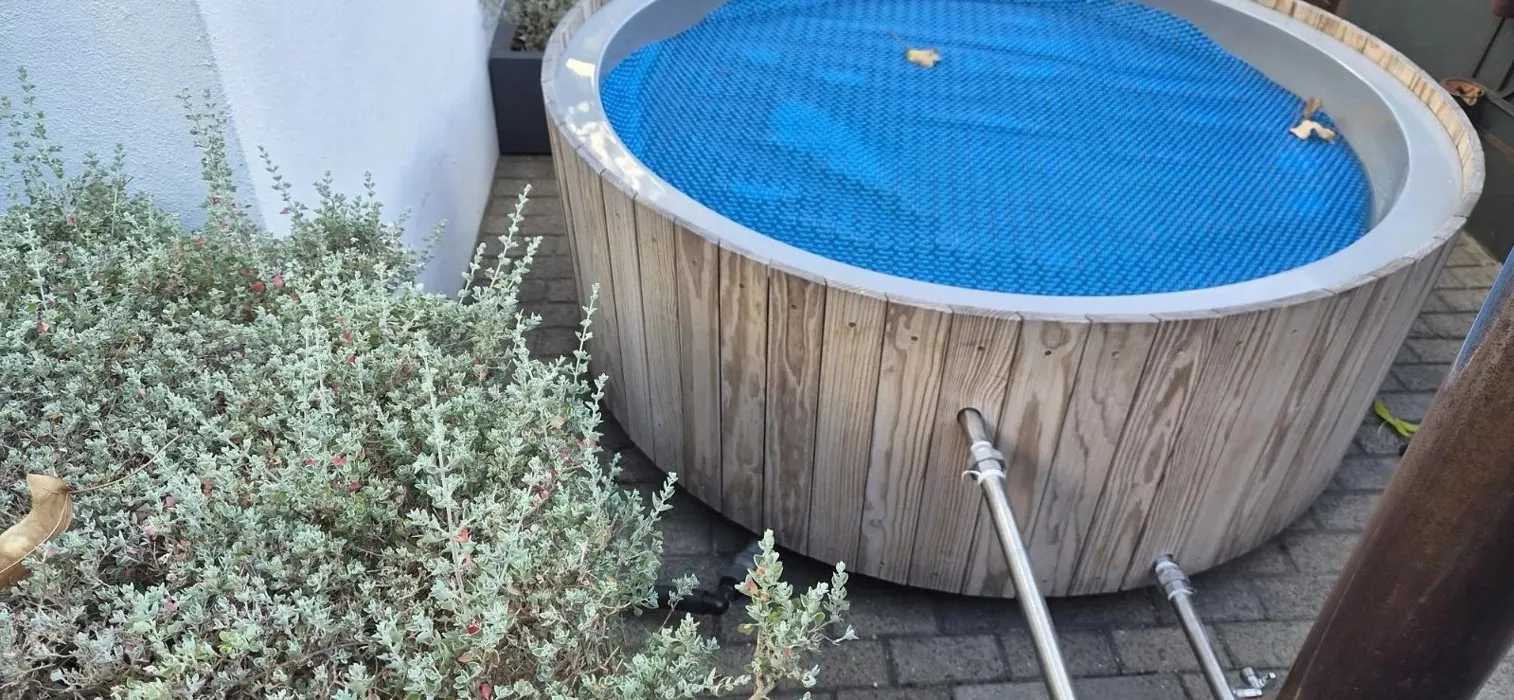
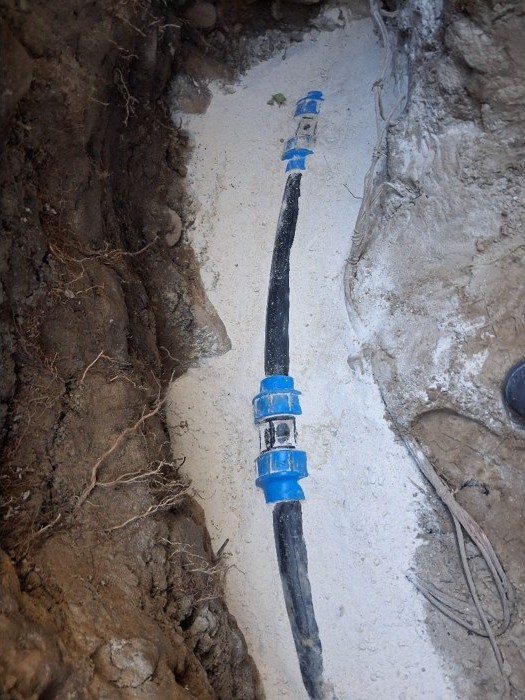
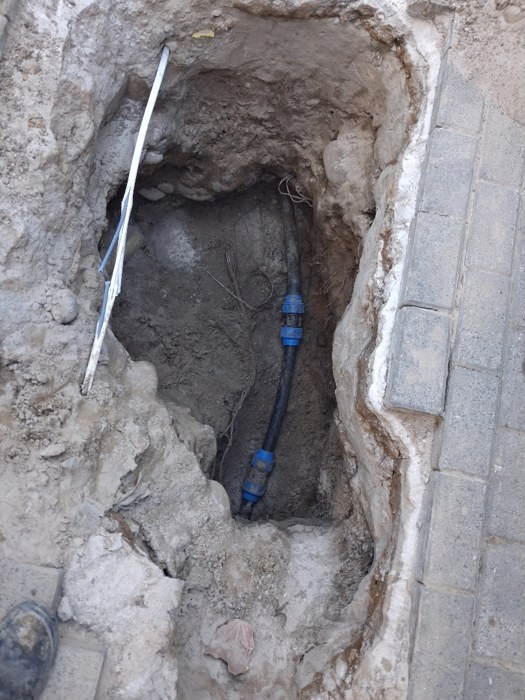
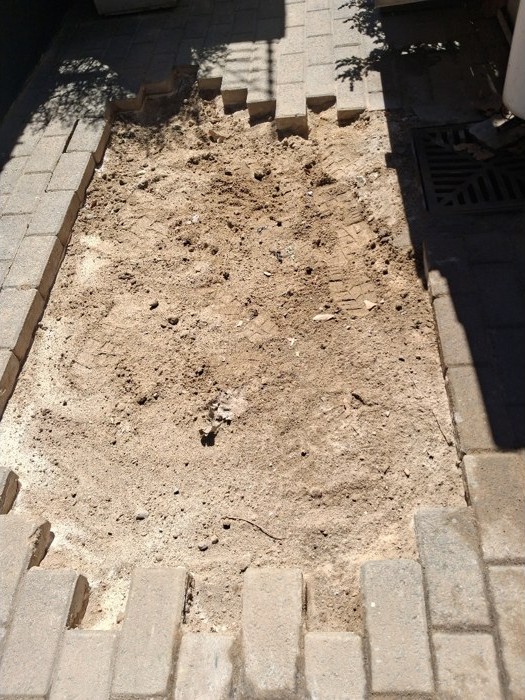
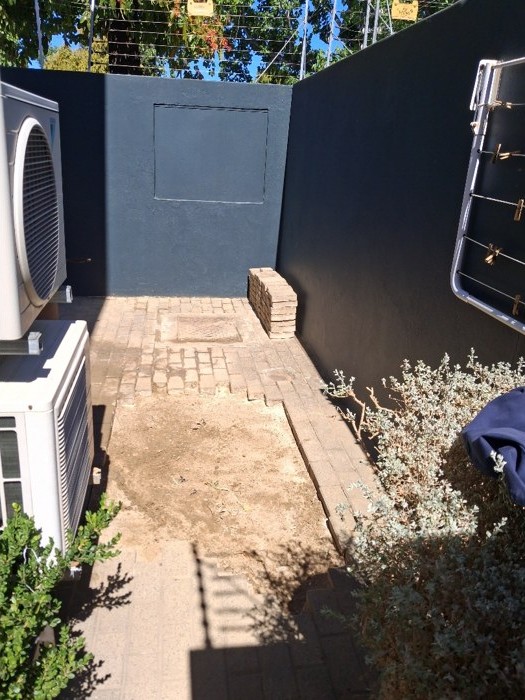
Acoustic, pressure and tracer-gas testing located the leak. On the return visit, the team moved the planter, exposed the pipe at the marked point and repaired the burst mains pipe. The area was backfilled.
The trustees had feared that digging could drag on for days or weeks. Because the leak was located first, one hole was enough, and the job was signed off the same day.
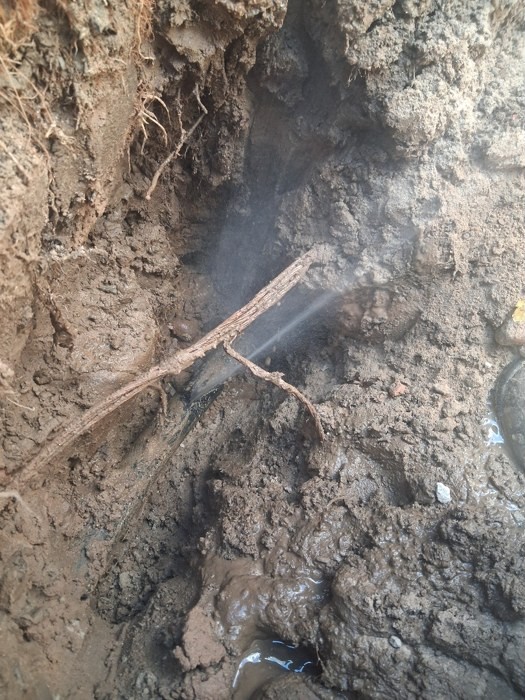
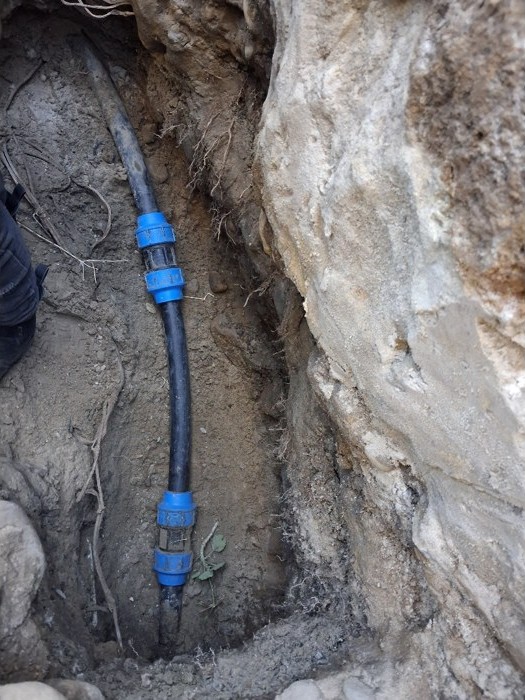
The repair and backfilling
The damaged section was repaired with new 50 mm Plasson couplings. These photographs show the completed repair, the backfilled area and the pavers stacked for reinstatement.
The outcome: what H2OnGUARD showed before and after
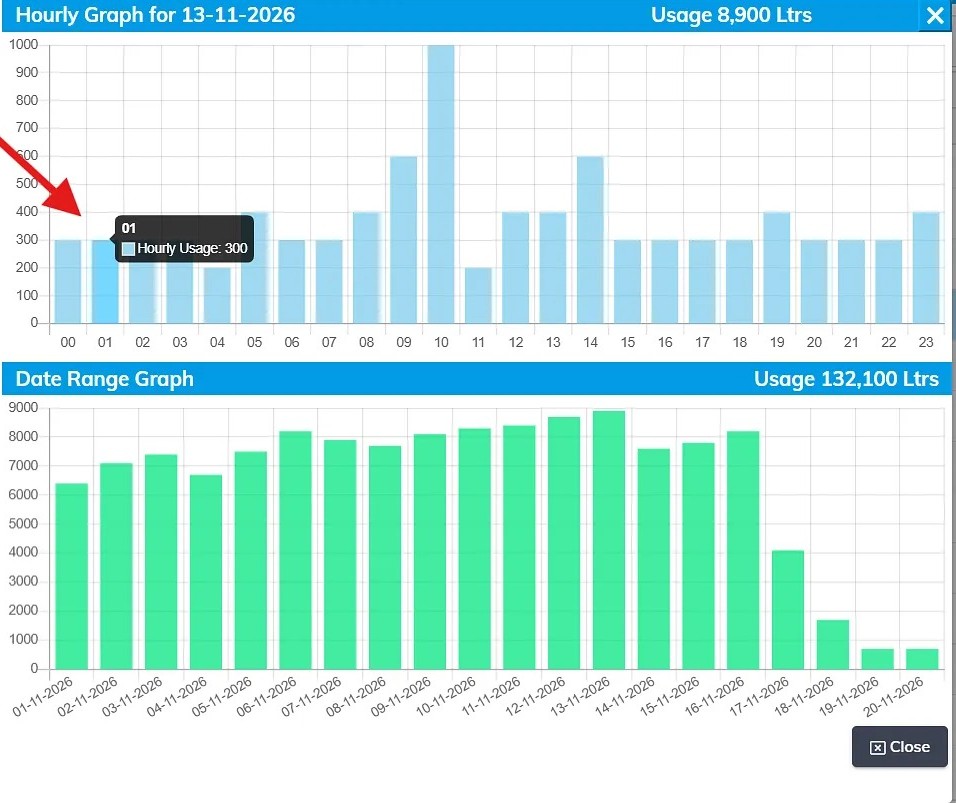
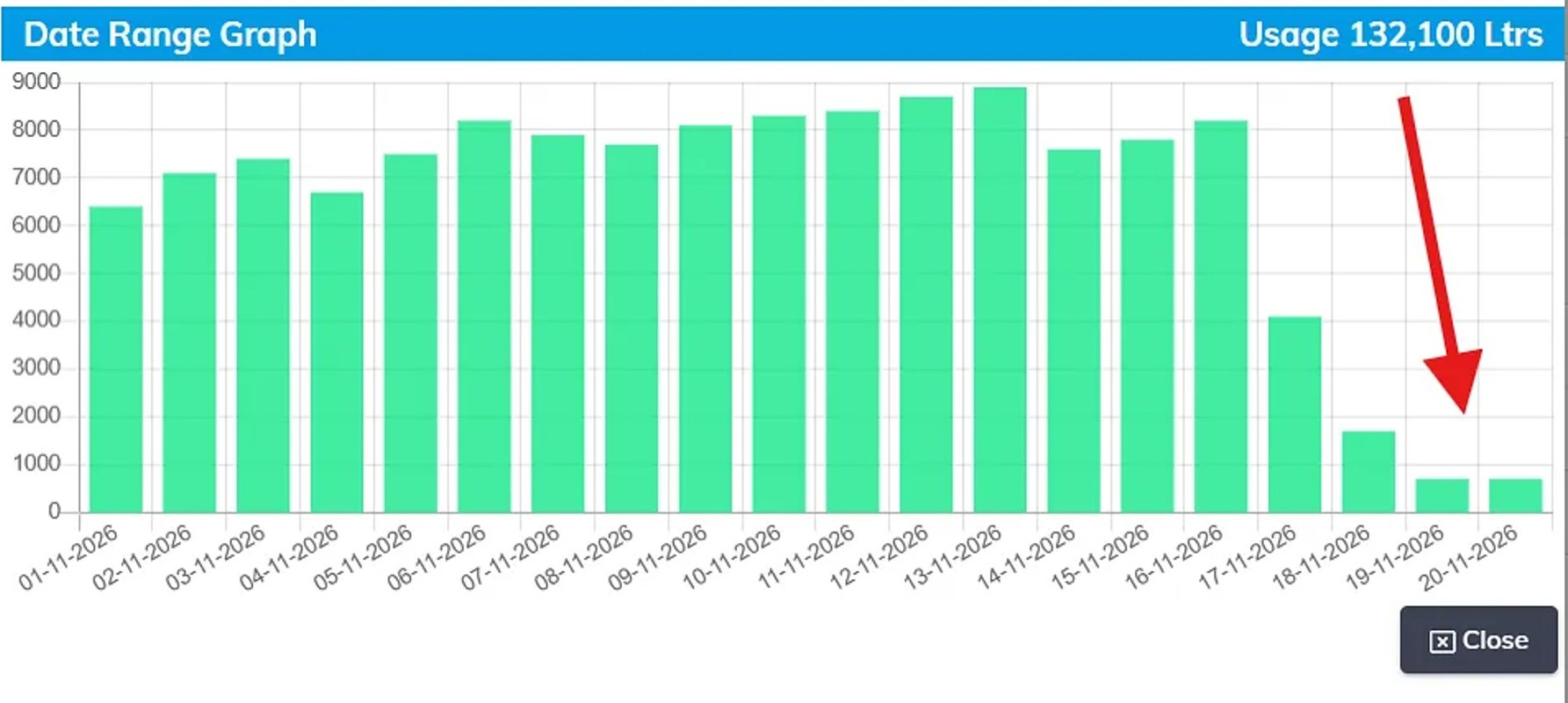
H2OnGUARD records consumption hour by hour. Before the repair, use stayed at 200 to 400 litres every hour through the night. Daily totals for 1 to 16 November ranged from about 6,400 to 8,900 litres.
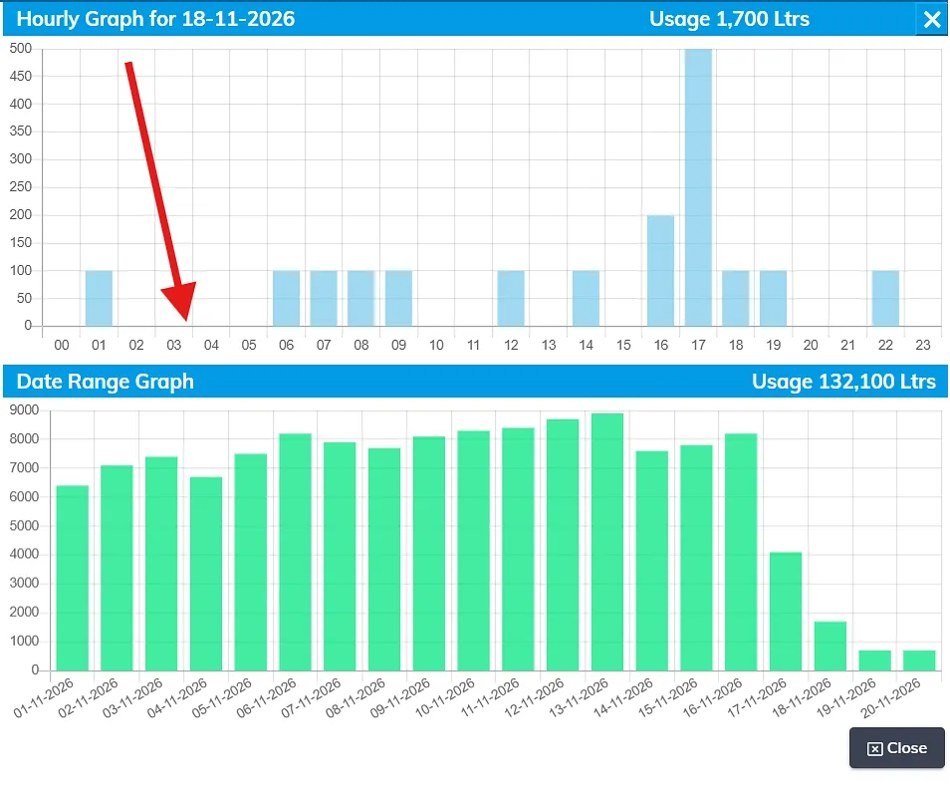
At 01:00 on 13 November, the monitor recorded 300 litres an hour. Total metered use that day was 8,900 litres. After the repair on 17 November, the 18 November graph showed zero use in the early hours and 1,700 litres for the day.
The supplied case reports daily use falling from about 8,200 litres on 16 November to roughly 700 litres a day on 19 and 20 November: a reduction of about 90%. These are total-consumption comparisons, not a separately measured volume of leaked water.
Zero minimum night flow after the repair.
One partner, from first alert to verified fix
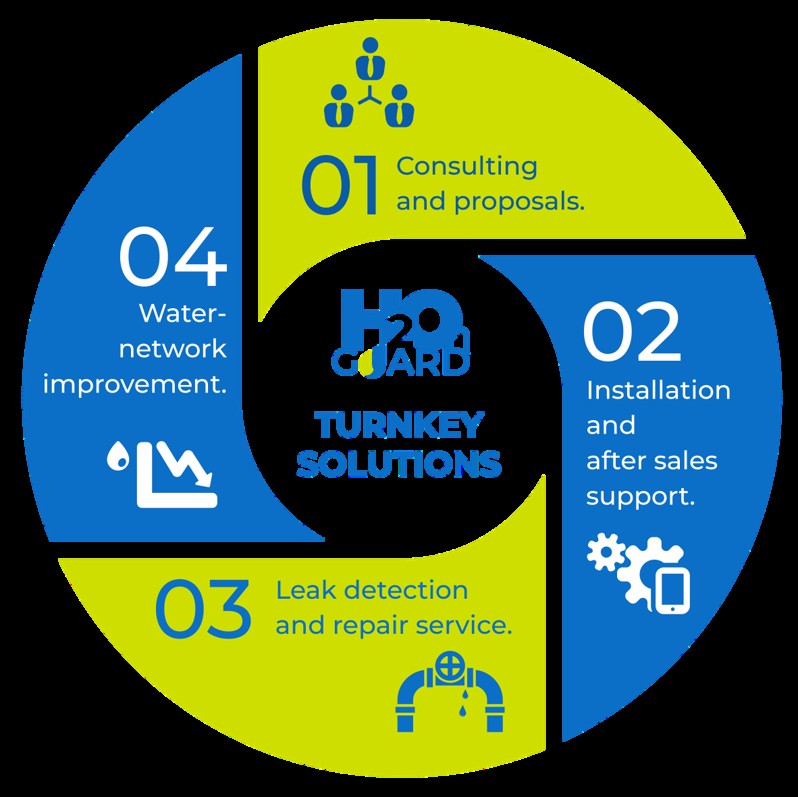
This job shows how the H2OnGUARD turnkey approach works in practice. The client dealt with one team, and each step fed the next.
- 1
Consulting and proposals
A phased proposal: survey first, with advanced work only if needed. Clear advice on the body corporate’s duties helped the trustees decide.
- 2
Installation and after-sales support
H2OnGUARD monitoring on site gave hour-by-hour data, before and after the repair.
- 3
Leak detection and repair
Acoustic, pressure and tracer-gas testing located the leak; Pinpoint coordinated the repair on the same visit.
- 4
Water-network improvement
Zero night flow after the repair gives the complex a clean baseline, so any new leak stands out quickly.
Why measured water loss matters to trustees
Data before digging
Monitoring confirmed there was a loss; testing showed where. One excavation was enough.
Phased cost and less disruption
A fixed-price survey came first. Excavation was quoted once the leak position was indicated. Work was planned around occupied units and guests, with residents told in advance.
Proof of result
H2OnGUARD showed the drop in use and zero night flow. A continuous leak at 300 litres an hour would waste 7,200 litres a day; this is a rate-based estimate, not the complex’s measured daily leak volume.
Is your complex using water all night?
If your complex, estate or business never reaches zero water use at night, a hidden leak may be the cause. Check whether any legitimate overnight water use explains the readings, then contact Pinpoint for a site survey or H2OnGUARD smart water monitoring.
Frequently asked questions
How did H2OnGUARD help find this hidden leak?
The monitor showed continuous overnight consumption. Pinpoint then used acoustic, pressure and tracer-gas testing to locate the burst mains pipe beneath paving.
How was the repair verified?
H2OnGUARD recorded zero minimum night flow on 18 November after the pipe repair on 17 November. The daily consumption graphs also showed a substantial reduction.
Did the team have to lift all the paving?
No. In this case, testing identified the position before excavation. One opening at the marked point was enough to expose and repair the burst pipe.
Was the complex’s water use completely zero afterwards?
No. Zero minimum night flow refers to the quietest overnight period, not the whole day. Residents continued using water normally, and daily consumption remained measurable.